Introduction
If you're taking Ozempic (semaglutide) or Mounjaro (tirzepatide) and celebrating the rapid weight loss, there's something critical nobody warned you about: research shows that up to 40% of weight lost on GLP-1 medications can come from lean mass — closer to 40% on semaglutide (Ozempic/Wegovy), and 25–35% on tirzepatide (Mounjaro)—muscle tissue you need for strength, metabolism, and long-term health.
The problem isn't the medications themselves. GLP-1 medications work by reducing appetite and slowing digestion, but when you're barely hungry, you eat very little—and what you do eat is often calorie-dense comfort foods, not the protein-rich meals your muscles need. This creates a dangerous cycle: inadequate protein intake leads to muscle breakdown, slower metabolism, and rapid weight regain after stopping treatment. The solution is using these medications strategically while protecting muscle through deliberate nutrition, resistance training, and proper tapering.
Disclaimer: This guide covers currently available GLP-1 medications (semaglutide/Ozempic/Wegovy and tirzepatide/Mounjaro/Zepbound). Retatrutide is investigational and not FDA-approved; when available in 2028, the same nutritional principles will apply.
How GLP-1 Medications Change Your Eating
Understanding how these medications work helps explain why muscle loss occurs and how to prevent it.
Appetite Suppression:
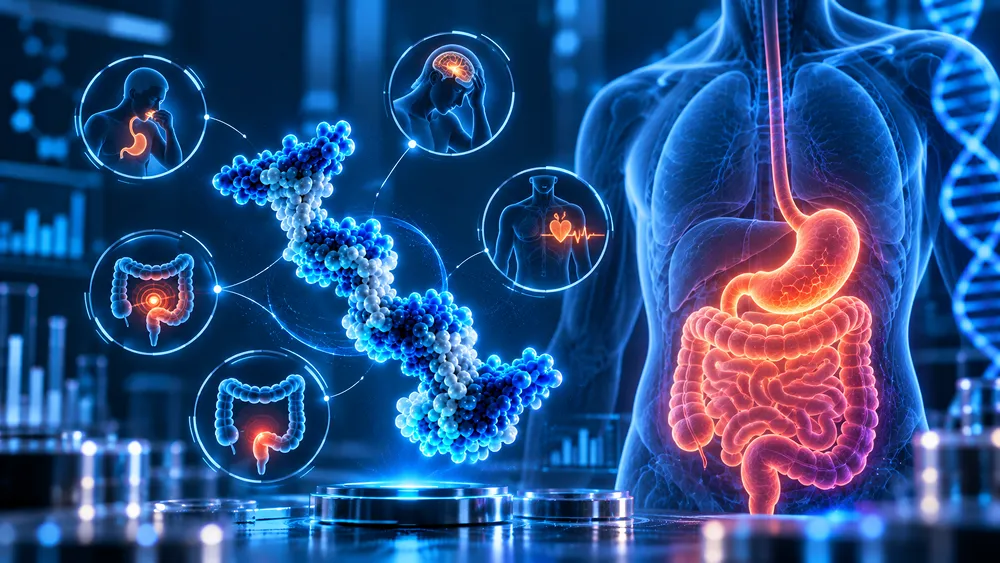
GLP-1 receptor agonists directly signal the brain to reduce hunger and increase feelings of fullness. If you're taking Ozempic or Mounjaro, you've likely noticed you simply don't think about food the way you used to. Meals that once excited you now feel overwhelming.
Slowed Gastric Emptying:
Food stays in your stomach longer, creating prolonged satiety. A small meal that would have left you hungry two hours later now keeps you full for six hours. This is therapeutic for weight loss but creates challenges for adequate nutrition.
Protein Intake Drops First:
When appetite plummets, protein-rich foods are often the first to go. Chicken breast, fish, and lean meats require chewing and digestion effort that feels burdensome when you're barely hungry. Studies show patients on GLP-1 medications often shift toward less high-quality protein compared to standard calorie-restricted diets.
When Retatrutide Is Used:
Retatrutide's glucagon receptor activation adds another layer: enhanced fat metabolism and energy expenditure. While this sounds beneficial, it doesn't eliminate the need for adequate protein—it may actually increase it due to higher metabolic demands.
The Hidden Danger: Muscle Loss Nobody Talks About
Here's what happens when you lose weight rapidly without protecting muscle mass:
Your Body Breaks Down Muscle for Energy:
When calorie intake drops dramatically and protein is inadequate, the body doesn't just burn fat. During rapid weight loss, up to 25-40% of weight lost can come from lean mass if no prevention strategies are used. For someone losing 60 pounds, that could mean 24 pounds of muscle gone.
Metabolism Slows:
Muscle tissue burns more calories at rest than fat tissue. Losing muscle means your resting metabolic rate drops, making it easier to regain weight once treatment stops. Losing muscle can lower metabolic rate and physical strength.
Strength and Function Decline:
Less muscle means reduced physical capability. Climbing stairs becomes harder. Carrying groceries feels more difficult. Balance worsens, increasing fall risk—especially concerning for older adults.
Nutritional Deficiencies Compound the Problem:
Some studies suggest that a notable portion of people taking GLP-1 medications develop at least one nutritional deficiency within the first year. Common deficiencies include vitamin B12, vitamin D, iron, and calcium—all of which affect muscle function and overall health.
What Most People Do Wrong:
After achieving dramatic weight loss on these medications, many continue eating poorly—just eating less of it. Without adequate protein, muscle mass disappears. Then, when they stop the medication (because they reached their goal or couldn't afford it), appetite returns. But now they have less muscle, slower metabolism, and quickly regain weight—often surpassing their starting weight.
What to Eat: Protein-First Strategy
If you're taking Ozempic or Mounjaro, your number one nutritional priority is protein. Everything else comes second.
How Much Protein:
For individuals actively losing weight, many experts recommend 1.2 to 1.6 grams of protein per kilogram of body weight per day. This is higher than the standard 0.8 g/kg recommendation because your body needs extra protein to preserve muscle during calorie restriction.
Example: If you weigh 80 kg (176 pounds), aim for 96-128 grams of protein daily.
Best Protein Sources:
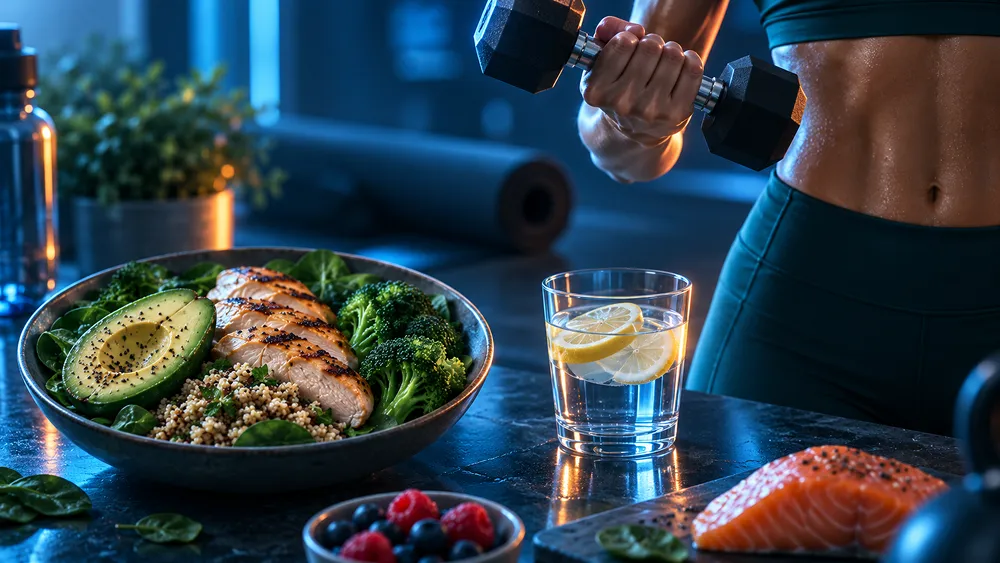
Choose lean, easily digestible proteins that won't overwhelm your reduced appetite:
Note: "Easy" refers to digestion comfort while taking GLP-1 medications
Prioritize Fiber:
Fiber helps maintain satiety and supports digestive health. Include vegetables like broccoli, spinach, and Brussels sprouts. These provide volume and nutrients without excessive calories.
Smart Carbohydrates:
Choose nutrient-dense carbs: sweet potatoes, quinoa, oats. These provide energy without the blood sugar crash that comes from refined carbohydrates.
Practical Meal Structure:
If you can only eat 800-1000 calories per day, make protein the star of every meal:
Adjust portions based on your protein needs (1.2-1.6g/kg body weight). For an 80kg person, this meal plan provides adequate protein within comfortable calorie limits.
What to Avoid: Foods That Make GLP-1 Side Effects Worse
Fatty Foods:
High-fat meals sit in your stomach even longer when gastric emptying is already slowed. If you're taking Ozempic or Mounjaro, that greasy burger will leave you feeling uncomfortably full for hours—sometimes triggering nausea or vomiting.
When retatrutide is used, the same principle applies. Choose lean proteins over fatty cuts of meat. Opt for grilled rather than fried. Your digestion will thank you.
Carbonated Drinks:
Bloating and gas are common GLP-1 side effects. Carbonated beverages make this worse. Even sparkling water can create uncomfortable pressure when your stomach is emptying slowly. Stick to still water, herbal tea, or diluted fruit juice.
Large Meal Portions:
Even healthy foods become problematic in large quantities. Your appetite will gradually return to what it was before you started treatment, but while on medication, eating small, frequent meals works better than three large ones.
Alcohol:
Alcohol on an empty (or nearly empty) stomach hits harder. If you drink while taking these medications, you'll likely feel effects more quickly and intensely. Alcohol also provides empty calories without nutritional value—the opposite of what you need.
Hydration: The Forgotten Essential
Why Water Matters More Now:
Reduced food intake means reduced water intake from food sources. If you're eating half the volume you used to, you're also getting less water from fruits, vegetables, and other hydrating foods.
Stay hydrated to support muscle function and recovery. Dehydration worsens fatigue, affects exercise performance, and can intensify side effects like constipation (already common with GLP-1 medications).
How Much:
Aim for at least 2-3 liters of water daily. More if you're exercising or in hot climates. Don't wait until you feel thirsty—by then, you're already mildly dehydrated.
Exercise: You Cannot Preserve Muscle Without It
Nutrition alone isn't enough. You cannot preserve muscle without resistance training.
Resistance Training 3-5x Per Week:
Lift weights, use resistance bands, or do bodyweight exercises. The goal isn't bodybuilding—it's sending a signal to your body that muscle tissue is essential and shouldn't be broken down for energy.
Start Simple:
- Bodyweight squats
- Push-ups (modified if needed)
- Dumbbell rows
- Planks
Progressive Overload:
Gradually increase weight or repetitions over time. This continual challenge keeps muscles adapting rather than atrophying.
Cardio Is Secondary:
Walking and light cardio support overall health, but resistance training is what preserves muscle mass. If you can only do one, choose strength training.
How to Stop Safely: The Tapering Strategy
When you've reached your weight loss goal or need to stop these medications, don't quit abruptly.
Why Tapering Matters:
Stopping cold turkey can trigger sudden appetite spikes and rapid weight regain. A gradual taper allows your body's natural satiety hormones to recalibrate, significantly reducing the risk of rebound.
How to Taper:
Most successful tapers involve reducing the dose by 25-50% every 2-4 weeks. Work with your healthcare provider to create a personalized schedule.
Example Tapering Schedule (from 2.4mg Semaglutide):
This schedule is an example. Your healthcare provider may recommend a different approach based on your dose, duration of treatment, and individual response.
During Tapering:
Continue prioritizing protein, resistance training, and healthy habits. The goal is maintaining your new weight through lifestyle changes, not medication dependence.
After Stopping:
Your appetite will gradually return to baseline. This is normal. The habits you built while on medication—meal prepping, protein prioritization, regular exercise—become your long-term maintenance strategy.
The Long-Term Success Formula
These Medications Are Tools, Not Solutions:
Ozempic and Mounjaro create a calorie deficit by reducing appetite. When retatrutide becomes available, it will do the same—plus enhance fat metabolism. But none of these medications change your relationship with food, teach portion control, or build muscle.
Use the Medication Window Wisely:
While appetite is suppressed, you have a unique opportunity to:
- Learn what appropriate portions look like
- Develop a taste for nutrient-dense foods
- Build an exercise routine
- Address emotional eating patterns
- Create sustainable habits
The Goal Isn't Lifelong Medication:
Some people will benefit from long-term GLP-1 therapy, especially those with diabetes or severe obesity. But for many, the ideal outcome is using these medications as a bridge to sustainable lifestyle changes—not a permanent crutch.
Habit Formation During Treatment:
Research on habit formation suggests it takes 2-3 months of consistent behavior for new habits to become automatic. If you're on these medications for 6-12 months, you have multiple cycles to solidify healthy patterns.
Conclusion
GLP-1 medications like Ozempic and Mounjaro represent a breakthrough in obesity treatment, producing weight loss that rivals bariatric surgery without the surgical risks. When retatrutide receives FDA approval in 2027-2028, it will likely become the most effective option available—potentially producing 28.7% weight loss based on trial data.
But effectiveness doesn't mean effortless. Without deliberate attention to protein intake, resistance training, and habit formation, you risk losing substantial muscle mass, developing nutritional deficiencies, and rapidly regaining weight after stopping treatment.
The solution is straightforward but requires discipline:
- Prioritize protein (1.2-1.6g per kg body weight daily)
- Resistance train 3-5 times weekly
- Avoid fatty foods that worsen side effects
- Stay hydrated
- Taper gradually when stopping (25-50% dose reduction every 2-4 weeks)
- Use the medication window to build sustainable habits
If you're currently taking Ozempic or Mounjaro, assess your protein intake today. Are you getting enough? If not, make protein your top priority starting with your next meal. When retatrutide becomes available in 2028, these same principles will apply.
The goal isn't just weight loss—it's fat loss while preserving muscle, maintaining metabolic health, and building habits that last long after medication stops. That's the difference between temporary results and permanent transformation.
Sources
This article is based on:
- Mayo Clinic: GLP-1 Medications and Muscle Loss (2026)
- Circulation (AHA Journals): Muscle Mass and GLP-1 Receptor Agonists (2024)
- UC Davis Health: Systemic Impact of GLP-1 Therapies (2025)
- Endocrine Society: Protein and Muscle Preservation on Semaglutide (2025)
- American Diabetes Association: Quality of Weight Loss with GLP-1 Therapies (2026)
- PMC: Preservation of Lean Tissue During GLP-1 Treatment (Case Series)
Disclaimer: This information is for educational purposes only and does not constitute medical advice. Consult your healthcare provider before starting, stopping, or changing any medication or treatment plan. Individual results vary. Retatrutide is investigational and not FDA-approved.
Frequently asked questions
Aim for 1.2 to 1.6 grams of protein per kilogram of body weight daily—higher than the standard 0.8g/kg recommendation. For a 70kg person, that's 84-112 grams daily. Prioritize lean proteins like chicken, fish, and Greek yogurt to preserve muscle during weight loss.
Stopping cold turkey is safe from a medical standpoint, but early research suggests gradually weaning off over 9 weeks may help reduce weight regain. Tapering gives your appetite time to adjust gradually rather than spiking suddenly, improving long-term success.
Avoid high-fat foods that worsen nausea and bloating, carbonated beverages that increase gas, and large portion sizes that overwhelm slowed digestion. Focus on lean proteins, vegetables, and easily digestible carbohydrates. When retatrutide is used, the same dietary principles apply.
Resistance training 3-5 times weekly combined with adequate protein intake is essential for preserving muscle. Without strength training, up to 40% of weight lost can come from lean mass. Add bodyweight exercises, weights, or resistance bands to your routine.