.svg)
An Obesity Doctor's Take on Retatrutide at ADA 2026
Endocrinologist Dr. Michael Weintraub breaks down what retatrutide's Phase 3 data at the year's biggest diabetes conference means — and why glucagon is changing the field.
Docwire News
Our Take
What the doctor highlighted
- Retatrutide is a triple agonist (GLP-1, GIP, and glucagon in one peptide) — and glucagon is the mechanism Weintraub credits with pushing medication weight loss "into the bariatric surgery range."
- In the 104-week extension, the highest-dose group exceeded 30% weight reduction — levels he says haven't been seen before with an obesity medication.
- In type 2 diabetes (TRANSCEND-T2D-1), retatrutide delivered a ~2% A1C reduction, on par with semaglutide and tirzepatide.
- The field is shifting from "how much weight" to "what health gains" — how many patients drop below an obesity BMI, and improvements in liver disease, sleep apnea, and cardiovascular risk.
- Whether retatrutide's weight loss translates into the same cardiometabolic benefits as actual bariatric surgery is still an open question awaiting future trial data.
The caution he flagged
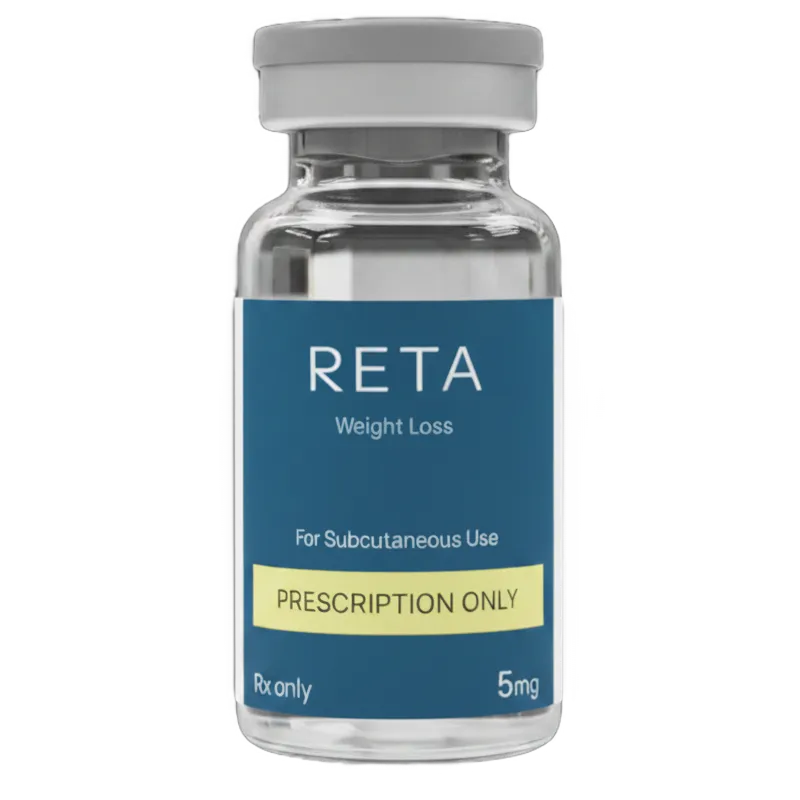
Weintraub relayed a warning from Dr. Lee Kaplan at the conference: people are obtaining what is claimed to be retatrutide from compounded and illicit sources. Weintraub was direct that this is still an investigational product — not approved by the FDA or any regulatory agency — and is currently for clinical-trial evaluation only. It's the same message this hub returns to: the science is real, but the drug is not something to source outside a trial.
Where this fits
Most coverage boils retatrutide down to a single percentage. This interview is useful because it's a clinician explaining what the numbers mean in context — where retatrutide sits among the wave of new obesity drugs, and why the conversation is moving toward overall health rather than the scale alone. It's the "what does an obesity doctor actually think" angle behind the headlines.
Retatrutide remains investigational. Strong conference data and expert enthusiasm are not the same as FDA approval, which is still expected no earlier than 2027-2028.
Linked interview remains the property of Docwire News / Formedics · Reviewed for accuracy · Not affiliated with Eli Lilly
Register your interest in Retatrutide
Retatrutide is currently not available, but once it is approved, you’ll be the first to get notified. Sign up now and stay informed.
Simple one-time sign-up
Early access to availability updates
Exclusive status among the first users
Advantage over non-registered users
Disclaimer: This is not medical advice. Retatrutide is investigational and not FDA-approved. Consult your doctor. Full Medical Disclaimer.